
Pharmaceutical Printing Requirements: A Guide to Leaflets, Cartons and Patient Information Materials

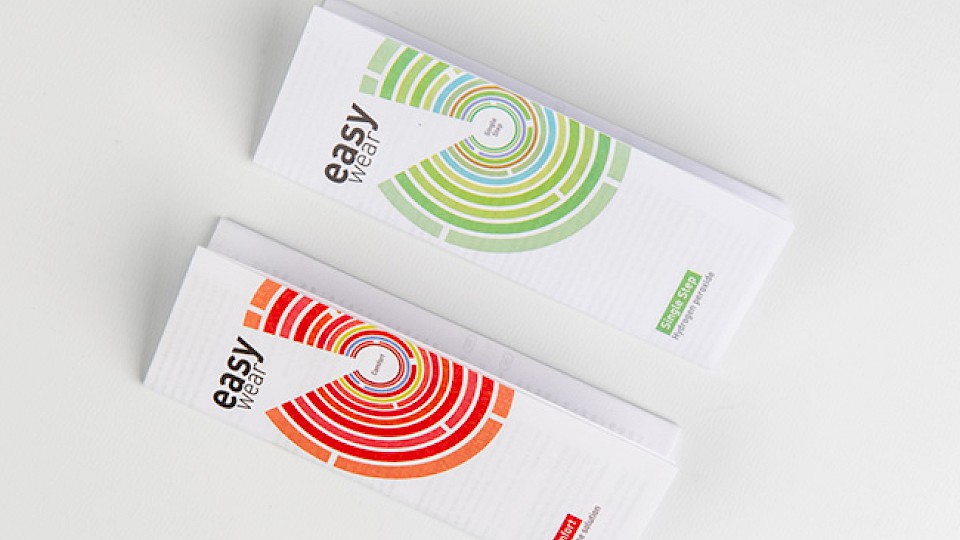
Patient Information Leaflets (PILs), Instructions for Use (IFUs) and pharmaceutical cartons must be produced to the correct specification, with clear text, accurate artwork and precise finishing.
Space is often limited, particularly when leaflets need to contain several languages. Choosing the right paper, print format and folding method is important to ensure the finished leaflet fits inside the packaging.
Lanes Printers has supplied printed materials to the pharmaceutical industry for many years, specialising in miniature leaflets, multilingual print and pharmaceutical cartons. This guide covers the main requirements to consider when arranging pharmaceutical printing, from leaflet specifications to carton materials and quality control.
Pharmaceutical manufacturers use a range of printed materials to provide product information and package medicines and healthcare products.
The most common include:
Patient Information Leaflets (PILs): Patient-facing information supplied with medicines, covering subjects such as dosage, warnings, side effects and storage.
Instructions for Use (IFUs): Documents explaining how a medicine, medical device or other healthcare product should be used.
Miniature leaflets and booklets: Compact formats designed to hold detailed information within limited packaging space.
Pharmaceutical cartons and sleeves: Printed board packaging used to contain products and display product information and branding.
Labels and other printed inserts: Materials used to identify products and provide relevant information.
The specification will depend on the product, the information required and the available packaging space. Print quantity, paper or board choice, finished dimensions and folding requirements should all be considered before production begins.
Patient Information Leaflets provide patients with information about a medicine and how it should be used. Depending on the product, this can include dosage instructions, possible side effects, warnings, precautions, ingredients and storage information.
Applicable UK and EU requirements determine what information must accompany a medicinal product. The manufacturer or marketing authorisation holder is responsible for ensuring that the content is correct and approved.
For the printer, the challenge is to reproduce that information accurately within the required format.
Text and legibility
Leaflets can contain a large amount of information, so the artwork needs to make effective use of the available space. Text, symbols and other details must reproduce clearly in the finished print.
Paper weight
Paper needs to suit the amount of information and the required folded size. Lanes Printers typically prints IFU leaflets on 50gsm–70gsm offset paper, depending on the specification.
Finished dimensions
The leaflet must fit inside the relevant carton or packaging. The flat sheet size and finished folded size should therefore be confirmed before printing.
Folding
The folding pattern determines how the information is arranged and how compact the finished leaflet will be. Specialist folding equipment allows larger printed sheets to be reduced to a small final format.
Lanes Printers produces miniature and multilingual pharmaceutical leaflets using B1 and B3 lithographic presses and specialist folding equipment. Our folding facilities can accommodate a range of formats, including leaflets with finished fold sizes as small as 15mm, depending on the specification.
Find out more about our pharmaceutical leaflet printing services.
Instructions for Use leaflets provide directions and other relevant information about using a product. They are used across pharmaceutical and medical applications, with the content and regulatory requirements depending on the product.
An IFU may include instructions for use, warnings, precautions, product details and other information needed by the intended user.
The main printing consideration is how to fit the required content into a practical format without compromising the supplied artwork.
Several factors influence the production method and quotation:
Flat size: The dimensions of the printed sheet before folding.
Finished size: The dimensions of the leaflet once folded.
Number of panels: The amount of space available for the content.
Paper specification: The paper weight and type required.
Colour requirements: Whether the job uses CMYK, spot colours or a combination.
Quantity: The number of leaflets required.
Folding pattern: The sequence and orientation of folds needed to achieve the finished format.
Print volume also affects which production method is most suitable. Larger B1 sheet formats can be efficient for high-volume jobs, while B3 presses and digital printing can be suitable options for lower quantities.
Lanes Printers uses B1 and B3 perfecting presses, which print both sides of a sheet in one pass. Folding equipment from GUK, Stahl and H&H allows us to produce a range of leaflet formats.
If you are arranging a new IFU print run, our IFU leaflet printing page includes further information about print specifications and a quick quotation form.
Pharmaceutical cartons and sleeves need to be printed and finished to suit the product they contain. As well as providing space for required information, the packaging must meet the dimensions and construction requirements of the finished pack.
Board choice, print method, colour requirements and finishing options all affect the specification.
The board must be suitable for the carton design and intended use. Lanes Printers works with a range of packaging boards, including GC1 and GC2, with presses adapted to handle board up to 1,200 microns thick.
The best choice will depend on the packaging design, required stiffness, print finish and production requirements.
Pharmaceutical cartons can be printed using CMYK or Pantone inks, depending on the artwork and colour requirements. Other available options include fluorescent, metallic and opaque white inks.
Finishing options include laminates, spot UV, foiling and embossing. The appropriate finish depends on the desired appearance and the requirements of the packaging.
Cartons are available in different formats, including tuck-flap and crash-lock-base designs. The construction needs to suit the product dimensions and the packing process.
Artwork and carton templates should be checked against the agreed specification before production. This helps ensure that printed elements are positioned correctly once the carton is cut, folded and assembled.
Lanes Printers produces pharmaceutical cartons and sleeves using lithographic printing, computer-to-plate (CTP) technology and colour management systems.
Read more about our pharmaceutical carton and sleeve printing.
Many pharmaceutical products require detailed information to be supplied in a small pack. This becomes more challenging when the leaflet needs to include several languages.
Miniature folded leaflets allow a relatively large amount of information to fit into a compact space. The sheet is printed at a larger size and then folded to the required finished dimensions.
The number of languages, length of the text, number of panels and folding pattern all influence the size of the leaflet.
Paper weight also matters. A suitable lightweight paper can help reduce the bulk of a multi-fold leaflet, although the final choice needs to reflect the print requirements and intended use.
When planning multilingual artwork, manufacturers should allow for differences in text length between languages. The final layout needs to accommodate the approved content without introducing changes to the information.
The printer's role is to reproduce the supplied artwork and manufacture the leaflet to the agreed specification. Content accuracy, translation approval and regulatory review remain the responsibility of the manufacturer and its relevant specialists.
Lanes Printers supplies more than 12 million miniature leaflets to the pharmaceutical industry each year. Our specialist folding facilities allow us to produce a range of compact formats for pharmaceutical packaging.
For projects requiring a different format, we also offer miniature booklet printing.
Pharmaceutical print jobs require accurate artwork reproduction and consistent production. Errors in text, layout, colour or finishing can cause problems for the manufacturer and the wider packaging process.
The print specification should therefore be agreed before production, with clear information about the artwork, dimensions, materials, colours and finishing requirements.
The printer needs to work from the correct approved artwork and reproduce it to the agreed specification. Manufacturers should ensure that the correct version is supplied and that any content changes have been reviewed and approved through the appropriate process.
Colours need to be reproduced consistently, particularly where packaging forms part of an established product identity. Lanes Printers uses on-press colour management systems to help maintain colour consistency across print runs.
The finished leaflet must meet the required dimensions and folding pattern. Cartons also need to be cut and finished to the agreed construction and size.
Checking these requirements at the specification stage helps reduce avoidable production issues.
Pharmaceutical printing must take account of the relevant requirements for the product and market. These may include requirements relating to labelling, patient information and packaging.
However, printing a leaflet or carton does not itself establish regulatory compliance. The manufacturer or relevant authorisation holder is responsible for the content and regulatory approval, while the printer is responsible for producing the materials in accordance with the agreed specification and applicable requirements.
For more information, see our guide to pharmaceutical printing and MHRA and EMA requirements.
Providing the correct details at the quotation stage helps establish the most suitable print method, material and finishing process.
If you are requesting a quotation for a pharmaceutical leaflet, booklet or carton, it is useful to have the following information available:
Product type: PIL, IFU, miniature booklet, carton or sleeve.
Quantity: The number of copies required.
Flat and finished sizes: The dimensions before and after folding, where applicable.
Number of panels: The required leaflet layout.
Artwork: The correct approved artwork files.
Paper or board: The preferred material and weight or thickness, if known.
Colour specification: CMYK, Pantone or any specialist ink requirements.
Folding and finishing: The required fold pattern, coating or other finishing details.
Delivery date: When the finished materials are needed.
For cartons, it is also useful to provide the product dimensions and any existing carton template or structural design.
Not every detail needs to be finalised before you contact a printer. If you are unsure which paper, sheet size or folding method is suitable, a specialist printer can advise based on the job requirements.
Lanes Printers' IFU leaflet quotation form allows you to submit details such as flat size, finished size, number of panels, inks, material and quantity.
Lanes Printers has supplied the pharmaceutical industry for many years, specialising in miniature folded leaflets, multilingual print and printed cartons.
Our facilities include B1 and B3 lithographic presses, CTP technology, on-press colour management and specialist folding equipment. We also offer a range of carton materials, inks and finishing options.
We can help with:
Patient Information Leaflets (PILs).
Instructions for Use (IFUs).
Multilingual and miniature folded leaflets.
Miniature booklets.
Pharmaceutical cartons and sleeves.
Whether you need a high-volume leaflet run or a bespoke carton specification, we can discuss the requirements and advise on the available print and finishing options.
Contact Lanes Printers to discuss your requirements for pharmaceutical leaflets, cartons or patient information materials.
Visit our pharmaceutical printing page or contact the team to get started.
Lanes Printers © 2026